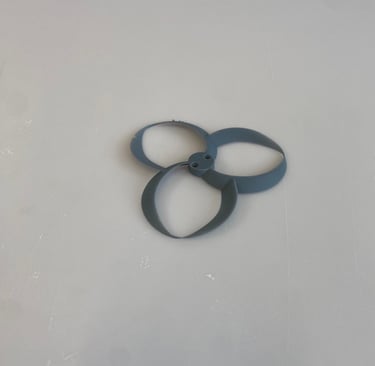
Toroidal Propellers
Project context
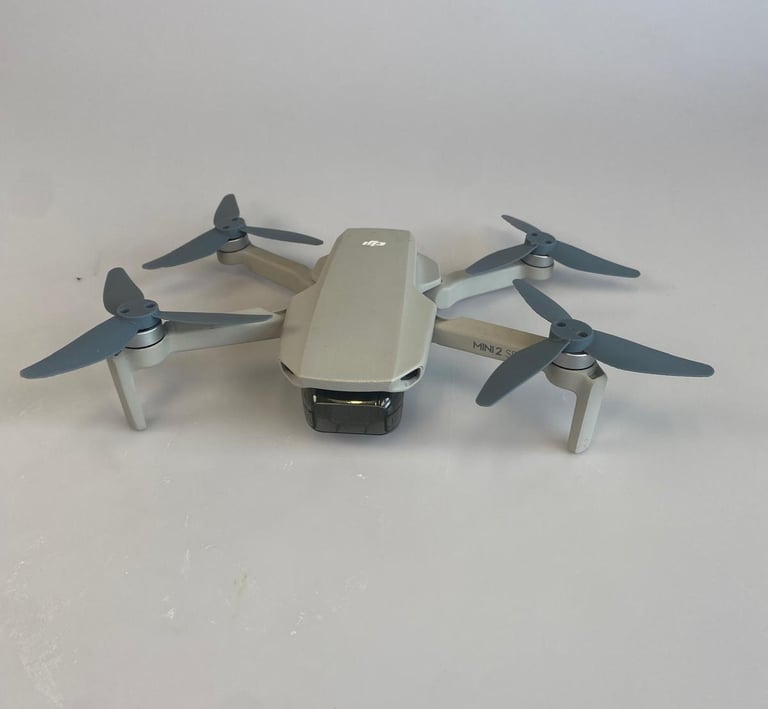
During my Honours Minor “Da Vinci”, I set myself the challenge of designing and testing toroidal drone propellers, inspired by the innovative work from MIT. This was not directly a commercial project for SkyQ, but rather an experimental exploration to push the boundaries of drone aerodynamics.


Approach
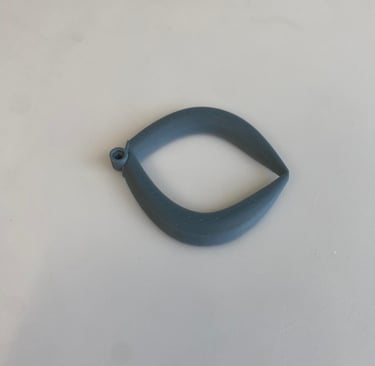
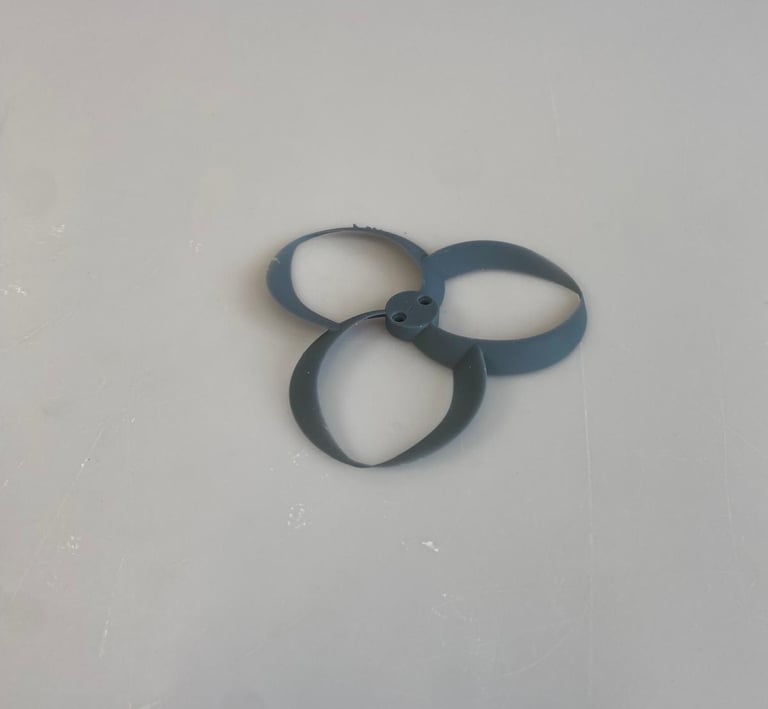
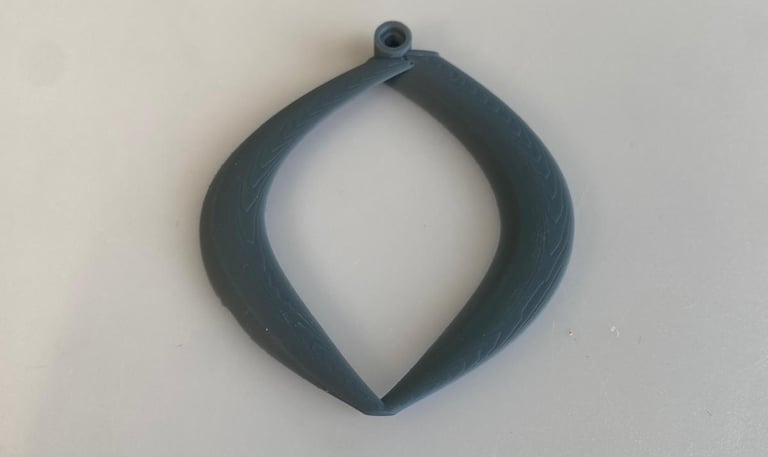
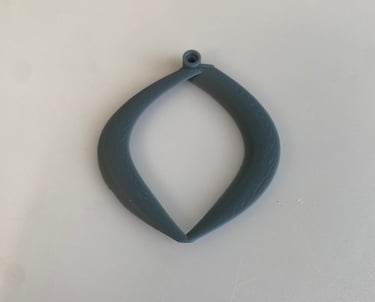
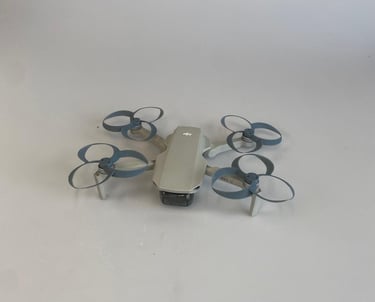
Using the IPO design process and drawing inspiration from existing research, I designed my own toroidal propellers. I modeled and tested them, focusing on aerodynamics and structural integrity. Since much of the original work is patented, the goal was to learn from the concept and create my own interpretation.
Tools & Techniques
IPO design process
CAD modeling & aerodynamics exploration
3D printing for prototyping
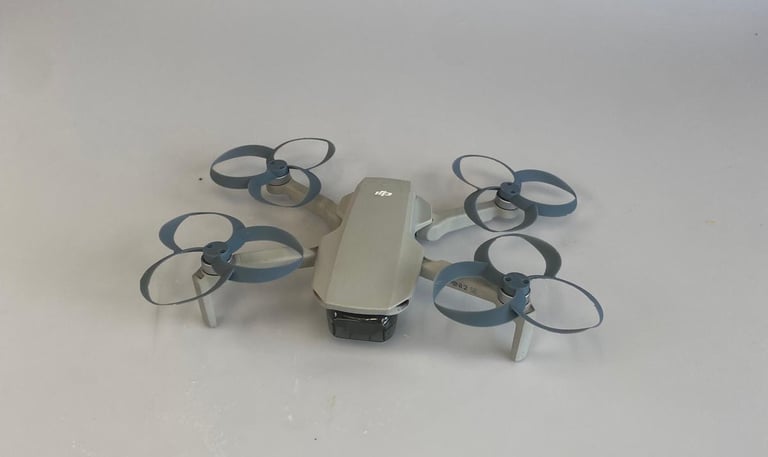
Real-world testing in drone flight
Outcome
Reflection
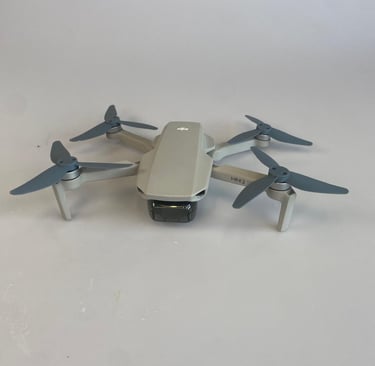
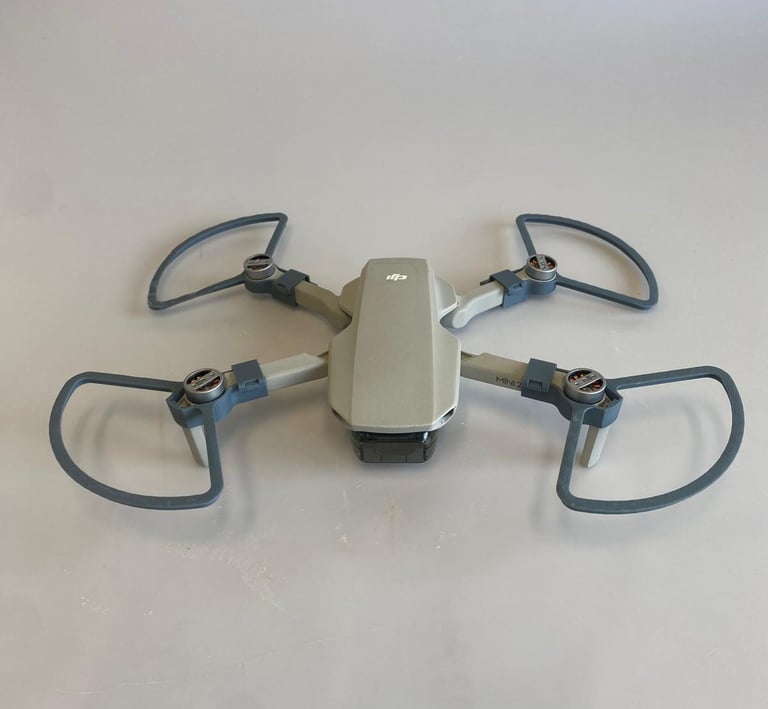
I successfully designed and test-flew my own toroidal propellers. However, due to material limitations, the blades proved too fragile and broke after a few minutes of flying. To overcome this, I started developing a mold that will allow me to manufacture stronger versions in the near future.
This project gave me valuable hands-on experience in experimental design and aerodynamics. Even though the first prototypes failed, the process taught me resilience, problem-solving, and how to approach innovation when dealing with complex, patented technologies. It also inspired me to continue developing stronger propellers using molds and improved materials.
Gallery
A visual impression of the project.